Hedge Trimming in Manor House: Shaping Healthy, Attractive Outdoor Spaces
Hedge trimming in Manor House is more than a seasonal tidy-up. It is a practical, visual, and long-term investment in the appearance, health, and structure of your outdoor space. Well-maintained hedges can frame a property beautifully, add privacy, support garden design, and create a polished impression from the street. Whether your garden is formal, modern, traditional, or family-friendly, regular hedge trimming helps keep everything in balance.
In a location like Manor House, where homes, front gardens, pathways, and boundary lines benefit from strong curb appeal, hedge trimming plays a major role. Overgrown hedges can quickly become untidy, block light, obscure views, and grow unevenly. By contrast, careful hedge trimming in Manor House keeps greenery dense, healthy, and neatly shaped throughout the year.
For many property owners, the task may seem straightforward at first glance. Yet effective hedge trimming requires timing, technique, the right tools, and an understanding of plant growth. Done properly, it supports vigorous new growth and helps hedges keep their intended form. Done badly, it can leave hedges patchy, stressed, or misshapen. That is why a thoughtful approach matters so much.
Why Hedge Trimming in Manor House Matters

Hedge trimming is essential for both aesthetic and practical reasons. A hedge that is trimmed regularly tends to grow more densely, look more balanced, and remain easier to manage over time. In Manor House, where outdoor spaces are often visible from the street or shared paths, a neat hedge can make a strong positive impression. It improves the appearance of a home while also showing that the garden is being well cared for.
Beyond looks, hedge trimming helps maintain healthy growth. When branches are left to grow unchecked, the hedge can become leggy or hollow in the middle. Light and air struggle to reach deeper sections, which can weaken the plant. Regular hedge trimming encourages fresh shoots and helps the hedge retain a fuller, more compact shape. This is especially important for species commonly used in boundary planting and decorative garden layouts.
Well-planned hedge trimming in Manor House also improves safety and usability. Hedges that spill onto pavements, driveways, or entrances can make access difficult. They may block sightlines, encroach on neighbouring spaces, or create an overgrown feel. A tidy hedge helps keep pathways clear and outdoor areas welcoming. It also contributes to a more organised and pleasant environment for residents and visitors alike.
Common Hedge Types Found in Manor House
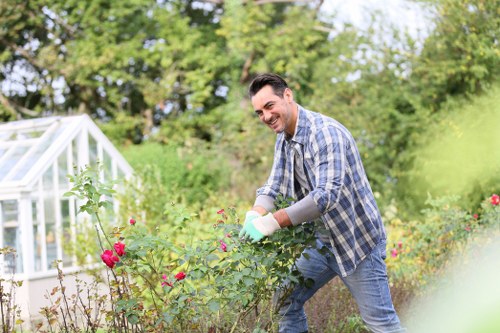
Different hedges require different trimming styles. In Manor House, many properties feature a mix of formal and informal planting, so understanding the hedge type is important before any trimming begins. Some hedges respond well to sharp, clean shaping, while others benefit from lighter, more natural maintenance.
Common hedge varieties may include evergreen boundary hedges, flowering hedges, privacy hedges, and ornamental shrubs trained into hedge form. Each one has its own growth pattern and preferred trimming time. For example, fast-growing hedges may need several trims per year to stay in shape, while slower-growing varieties may only need one careful cut annually.
When handling hedge trimming in Manor House, it helps to know whether the hedge is being maintained for a formal finish or a softer, more relaxed look. Formal hedges typically demand straighter lines, sharper edges, and consistent height. Informal hedges often allow a gentler outline and can blend more naturally into the surrounding landscape.
Examples of hedge styles that may appear in local gardens
- Dense evergreen privacy hedges
- Decorative clipped hedges
- Mixed boundary hedges
- Low edging hedges along paths or beds
- Tall screening hedges for seclusion
The Right Time for Hedge Trimming in Manor House
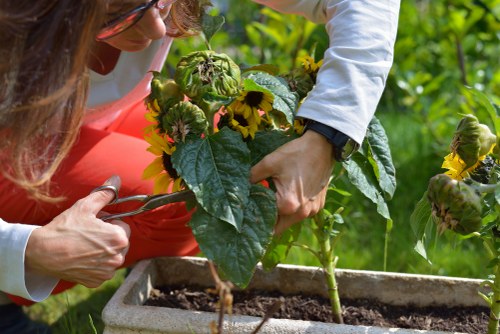
Timing is one of the most important parts of successful hedge trimming. Different hedge species have different growth cycles, and trimming at the wrong time can reduce flowering, slow recovery, or weaken the plant. In Manor House, the weather and seasonal patterns should always be considered before planning major hedge work.
In general, many hedges are trimmed during the active growing season to keep them tidy and encourage healthy density. Some species are best trimmed in late spring or summer, while others are better suited to late winter maintenance. The exact timing depends on the plant type, the desired shape, and whether nesting birds or other wildlife may be present.
Seasonal awareness is a core part of professional hedge trimming in Manor House. A well-timed trim can boost growth and maintain structure. A poorly timed cut may cause stress or reduce the hedge’s visual appeal. It is always better to trim with the plant’s natural rhythm in mind rather than forcing a schedule that does not suit the species.
General timing considerations
- Check the hedge species before trimming.
- Avoid disturbing nesting birds during the active season.
- Plan for repeat trims if the hedge grows quickly.
- Leave enough time for recovery before winter.
- Trim when weather conditions are dry and manageable.
How Professional Hedge Trimming Improves Garden Health

Healthy hedges do not happen by accident. They develop through consistent care, and hedge trimming is one of the most effective ways to support long-term plant health. By removing overgrowth, dead tips, and awkward shoots, trimming directs the hedge’s energy into stronger, more purposeful growth. This creates a fuller and more attractive result over time.
Another important benefit of hedge trimming in Manor House is improved air circulation. Dense, unmanaged hedges can trap moisture and make it harder for light and air to reach inner branches. This may encourage disease or dieback in some cases. Trimming helps open the hedge slightly, reducing risk while preserving shape and density.
There is also the matter of structure. A hedge that is trimmed regularly is easier to train and manage. It is less likely to become too wide at the top, too narrow at the base, or uneven across one side. Good hedge trimming supports a strong framework from the ground up. This matters for both young hedges and established ones that need ongoing care.
Key health benefits of regular trimming
- Encourages thick, even growth
- Reduces dead or weak branches
- Improves light penetration
- Promotes better airflow
- Helps maintain a stable shape
Tools and Techniques Used for Hedge Trimming in Manor House

The tools used for hedge trimming depend on the hedge size, thickness, and finish required. Smaller hedges may be cut using hand shears for precision, while larger or taller hedges may need powered hedge trimmers or extended reach equipment. The key is to use tools that suit the job without damaging the plant.
Technique matters just as much as equipment. A hedge should usually be trimmed with a slightly wider base and a slightly narrower top. This shape helps sunlight reach lower branches and prevents the bottom from becoming thin and sparse. Straight lines, smooth curves, and consistent angles all contribute to a cleaner result.
Careful hedge trimming in Manor House is about control, not speed. A rushed cut can leave visible marks, uneven edges, or accidental damage to healthy branches. Taking time to assess the hedge from different angles ensures the final shape looks balanced from every viewpoint, not just from one side.
Common trimming methods
- Formal clipping: used for straight edges and structured shapes
- Light reduction: removes excess growth without changing the whole outline
- Restorative trimming: helps reshape neglected hedges gradually
- Top and side shaping: keeps height and width under control
- Detail finishing: smooths edges for a polished appearance
Challenges of Overgrown Hedges in Manor House
Overgrown hedges can create a range of issues. What starts as a small maintenance delay can turn into a more serious problem over time. A hedge that is left unchecked may cast too much shade, take over surrounding planting beds, or interfere with fences, walls, and footpaths. In a residential setting, this can quickly affect the overall look and function of a property.
When hedge trimming in Manor House is delayed, the job can also become more difficult. Very thick hedges may require staged reduction rather than a simple trim. This is because removing too much at once can shock the plant and leave it looking bare. Gradual correction is often the safer route, especially if the hedge has been neglected for several seasons.
There is also a visual impact. Overgrown hedges can make even a well-kept garden appear messy. They may obscure windows, block decorative features, or create a cramped feeling around the property. Regular hedge trimming prevents these issues before they take hold. It keeps the garden looking open, intentional, and cared for.
Signs a hedge needs attention
- Branches extend beyond the intended boundary
- The hedge loses its original shape
- Lower sections become thin or bare
- Growth appears uneven or patchy
- Paths or driveways become obstructed
Hedge Trimming for Kerb Appeal and Property Value
Kerb appeal matters in every neighbourhood, and Manor House is no exception. A clean, well-shaped hedge can instantly improve the appearance of a home. It creates order, frames the property beautifully, and suggests that the rest of the garden is equally well maintained. This first impression can make a meaningful difference for homeowners, tenants, and prospective buyers.
Hedge trimming in Manor House also contributes to the overall sense of value in the local streetscape. When hedges are neat and proportional, the whole area feels more polished. The result is not just a better-looking garden, but a more attractive environment at the property level. For people who take pride in outdoor presentation, this is one of the most rewarding parts of hedge maintenance.
Small, regular improvements often have the biggest visual impact. A hedge does not need to be dramatically altered to look better. In many cases, a precise seasonal trim is enough to sharpen the lines, restore balance, and refresh the entire garden setting. This is why consistency is so important.
Working Safely During Hedge Trimming
Safety should always be part of hedge trimming, especially when working with tall or dense hedges. Ladders, power tools, and uneven ground all bring their own risks. Anyone carrying out hedge trimming in Manor House should take precautions, particularly if the hedge runs along a fence, wall, or busy frontage. Stable footing and controlled movements are essential.
Safety also includes protecting nearby plants and surfaces. Hedges can shed a lot of clippings, and these need to be managed properly so they do not smother borders or block drainage points. Trimming in a methodical way makes cleanup easier and reduces the risk of damage to other parts of the garden.
Professional hedge trimming balances precision with care. The goal is not simply to shorten branches, but to manage the work safely and responsibly. That includes checking for hidden hazards, being mindful of property boundaries, and using the right method for the hedge height and thickness.
Safety checklist for hedge work
- Inspect the hedge before starting.
- Use suitable tools for the height and density.
- Keep bystanders and pets at a safe distance.
- Work steadily to avoid overcutting.
- Clear clippings as you go if possible.
Why Local Knowledge Helps with Hedge Trimming in Manor House
Local conditions can influence how hedges grow and how they should be maintained. Manor House properties may experience varying levels of shade, wind exposure, moisture, and soil conditions. These factors can affect growth rates and the frequency of hedge trimming needed to keep everything in good shape.
Local knowledge is useful because it supports better decisions about timing, shaping, and long-term care. For example, hedges in sheltered gardens may grow faster and need more frequent trimming, while those in exposed spots may require gentler maintenance. The surrounding architecture and garden layout also matter, since different properties need different levels of formality and screening.
Hedge trimming in Manor House works best when it reflects the setting as well as the plant. A hedge should suit the property’s style, fit within the available space, and support the overall look of the garden. That is why local context is such an important part of successful maintenance.
Long-Term Benefits of Regular Hedge Maintenance
Regular hedge trimming is one of the simplest ways to avoid bigger problems later. A hedge that is kept in check each year is much easier to manage than one that has been neglected for several seasons. Maintenance becomes lighter, shapes stay cleaner, and the hedge is less likely to need harsh corrective work.
In addition, regular trimming helps preserve the intended purpose of the hedge. Whether it is meant to provide privacy, boundary definition, wind protection, or a decorative finish, its function is only maintained when the structure remains consistent. That consistency is one of the main reasons people choose hedge trimming in Manor House as part of routine garden care.
Long-term care also saves time and stress. Instead of facing a large, difficult recovery project, property owners can keep hedges attractive with smaller, manageable sessions. This approach is often more cost-effective and less disruptive than waiting until the hedge becomes difficult to control.
Benefits of staying on schedule
- Fewer major corrective cuts
- Healthier and fuller growth
- Better seasonal appearance
- Easier cleanup and maintenance
- More predictable results year-round
Choosing the Right Hedge Trimming Approach
Not every hedge needs the same treatment. Some benefit from a formal, geometric finish, while others look better with a slightly softer outline. The best hedge trimming approach depends on the species, location, height, and desired look. In Manor House, where gardens can vary significantly from property to property, flexibility is especially important.
For example, a hedge along a front boundary may need a crisp and tidy appearance to improve curb appeal. A hedge in a larger rear garden may be trimmed more lightly, preserving a natural feel while keeping growth manageable. The aim is always the same: to create a healthy hedge that suits its purpose and enhances the space around it.
Thoughtful hedge trimming in Manor House is never one-size-fits-all. It is a tailored process that respects the plant and the property. That is what leads to attractive, lasting results.
Factors that influence the best approach
- Hedge species and growth speed
- Desired height and width
- Garden style and layout
- Season and weather conditions
- Current condition of the hedge
Keeping Manor House Gardens Looking Their Best
Beautiful gardens rely on regular attention, and hedge trimming is one of the most visible forms of that care. A neatly trimmed hedge adds structure, frames planting beds, and helps outdoor areas feel complete. In Manor House, where appearance and practicality often go hand in hand, hedge care has a strong impact on the overall impression of a property.
Whether you are maintaining a small front boundary hedge or managing a larger privacy screen, the same principles apply: trim at the right time, use the right method, and keep the shape consistent. When these elements are combined, the result is healthier growth and a more polished landscape.
If your hedge is starting to lose shape, become too dense, or spill into surrounding areas, now is the time to act. Contact us today or book your service now to keep your garden looking neat, balanced, and well cared for. With regular hedge trimming in Manor House, your outdoor space can stay attractive throughout the seasons.