Gardeners Manor House: A Living Blend of Heritage, Beauty, and Practical Outdoor Care
 The phrase Gardeners Manor House brings to mind a setting where history, landscape, and thoughtful care come together in a single, memorable place. A manor house garden is rarely just a stretch of lawn or a decorative border. It is often a layered environment shaped by generations of design, planting, restoration, and seasonal attention. For visitors, residents, and gardening enthusiasts, a manor house with well-kept grounds offers more than visual appeal. It represents a living relationship between architecture and nature, where every path, tree, hedge, and flower bed can reveal something about the property’s character. In many ways, the beauty of a gardener’s manor house lies in balance: formal and natural, structured and relaxed, timeless yet always changing with the seasons.
The appeal of a gardeners manor house begins with its setting. Manor houses were traditionally built to stand as focal points in the landscape, and their gardens often reflect that purpose. Broad lawns, specimen trees, walled gardens, herbaceous borders, orchards, and kitchen plots may all be part of the experience. Even when modern use has changed, these spaces still retain a sense of dignity and order. The grounds do not simply frame the house; they extend its story. That is why the work of gardeners in a manor setting is so important. Their care preserves design intent while allowing the land to remain healthy, productive, and beautiful throughout the year.
At the heart of any well-tended manor landscape is a combination of planning and patience. Manor house gardens often feature long-established planting schemes that must be managed with sensitivity. Mature shrubs cannot be handled like newly planted borders, and ancient trees require specialist attention to remain safe and vigorous. At the same time, seasonal displays need refreshing, paths need clearing, and lawns need regular care. This blend of duties makes manor grounds distinctive. They are not merely ornamental spaces; they are estates of character and continuity, where the gardener’s role is both practical and creative.
What makes a gardeners manor house especially interesting is the variety of spaces usually contained within one property. A visitor may move from a formal front approach to a private courtyard, then to a walled garden, and finally into informal parkland. Each area demands a different approach. The front of the house may call for symmetry, clipped hedges, and carefully positioned seasonal pots. In contrast, a secluded part of the grounds may support a more natural style, with wildflowers, established trees, and informal seating. This diversity allows the landscape to feel rich and layered rather than repetitive.
Many historic manor houses were designed with both presentation and usefulness in mind. The gardens often supplied flowers for the house, herbs for cooking, fruit for the kitchen, and vegetables for the table. In modern times, some of these functions remain, while others are restored for heritage value. The result is a garden that can be both beautiful and productive. A manor house gardener may therefore work with decorative borders, productive beds, ornamental glasshouse plantings, and formal topiary all in the same week. Such variety keeps the work deeply engaging and gives the estate a sense of layered purpose.
The best landscapes around a garden manor house are those that feel coherent. Coherence does not mean uniformity; rather, it means that every section seems to belong to the whole. Repeated materials, planting colors, hedge lines, stone features, and tree species can help create this unity. The eye is led naturally through the space, and the house sits comfortably within its surroundings. When gardeners maintain this coherence, they do more than trim and plant. They protect the visual language of the property. That is one reason the phrase gardener’s manor house carries such strong associations with elegance and stewardship.
Carefully managed lawns are often central to the character of a manor setting. Broad green spaces can soften the formality of architecture and create a sense of openness. Yet they require disciplined attention, especially on estates with heavy foot traffic or changing weather conditions. Mowing patterns, drainage, feeding, edging, and aeration all matter. A neglected lawn can quickly undermine the grace of a manor landscape, while a well-maintained one can make the entire property seem more spacious and refined. This is one reason many people admire the visible skill involved in manor garden care—it is both understated and essential.
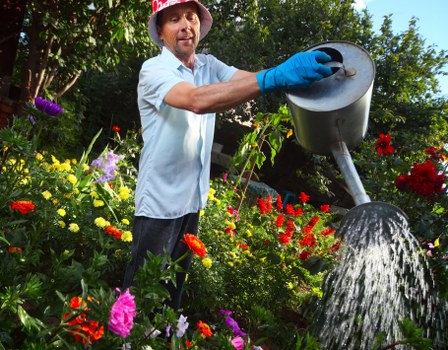 The planting style in a gardener’s manor house often reflects the property’s age and location. Some estates feature classical English border planting with layered color, seasonal succession, and generous perennials. Others may include more formal layouts influenced by Italian, French, or Victorian traditions. In every case, the gardener must understand how plant choices affect the overall atmosphere. Tall delphiniums, roses, lavender, box, holly, yew, foxgloves, and hydrangeas may each play a role in shaping the estate’s identity. The result is not random beauty but a designed experience where each plant contributes to a larger visual narrative.
Seasonality gives manor house gardens their special rhythm. Spring brings bulbs, fresh growth, and the early structure of buds and shoots. Summer often highlights full borders, climbing roses, and lush lawns. Autumn introduces mellow tones, seed heads, fruit, and a more reflective mood. Winter reveals the architecture of the garden itself, exposing paths, walls, trunks, and evergreen structure. For those who love a gardeners manor house, this seasonal variation is part of the charm. The grounds are never static. They change constantly, reminding visitors that beauty in the landscape is dynamic rather than fixed.
One of the defining features of a manor landscape is the use of structure. Hedges, walls, gates, arches, and avenues help organize the space and create a sense of arrival. Structure is especially important in larger properties because it gives the eye something to follow. Formal lines can direct visitors toward a front entrance, a rose garden, a fountain, or a distant view. This kind of composition is one reason a gardeners manor house often feels so memorable. The landscape is not merely surrounding the house; it is guiding the experience of moving through it.
The gardeners manor house setting also highlights the importance of maintenance beyond planting. Paths must be safe and clear, water features must be kept clean, and borders need careful weeding and mulching. Shrubs require pruning at the right time, not only for appearance but also for health and flowering. Trees may need monitoring for disease, storm damage, or structural weakness. In a manor environment, these jobs are done with consideration for the age and significance of the site. The goal is to preserve the integrity of the landscape while adapting it to present-day use.
Some manor gardens include heritage planting that has been cultivated for decades or even centuries. These plantings can be deeply symbolic, connecting current caretakers with the people who shaped the estate before them. An old espalier apple tree, a venerable cedar, or a carefully restored herb garden can all act as living records. When such features are preserved, the manor grounds become more than attractive surroundings. They become a form of cultural memory. That makes the role of gardeners especially meaningful. Their work protects not only plants but also stories, traditions, and design ideas that have survived over time.
The middle of a manor estate may contain spaces that are less formal but equally important. Woodland edges, rough grass areas, shrubberies, or hidden seating corners often add depth to the property. These parts of the grounds support wildlife, offer visual softness, and create a natural transition between formal gardens and broader parkland. A manor house gardener understands that these quieter places matter. They help the landscape breathe. Without them, the estate may feel overly controlled; with them, it gains texture and variety.
In many cases, wildlife value is increasingly considered alongside aesthetic value. Bird-friendly hedges, pollinator borders, ponds, and native planting schemes can all enhance the ecological health of the grounds. A gardeners manor house may therefore combine heritage planting with thoughtful environmental stewardship. This does not diminish its traditional beauty; rather, it strengthens it by ensuring the garden remains vibrant and alive. Bees in lavender, birds in trees, and insects in wildflower patches all contribute to the experience of a living estate.
 The relationship between house and garden is especially important in a manor setting because one influences how the other is perceived. A grand façade feels more welcoming when softened by planting. A plain wall can become interesting when framed by climbing roses or trained fruit trees. A formal terrace can extend the indoor living space into the landscape. For this reason, many people see the garden manor house not as a building with grounds attached, but as one unified composition. The architecture and the planting work together to establish tone, proportion, and atmosphere.
Materials also play a strong role in the impression created by a gardener’s manor house. Stone paths, gravel drives, brick edging, wrought iron gates, terracotta pots, and timber benches each contribute to the estate’s identity. These elements are not merely decorative. They support use, durability, and continuity. Well-chosen materials age gracefully, which is especially important in historic or traditionally styled settings. As they weather, they often gain character rather than lose it. That sense of aged refinement suits a manor landscape perfectly.
Another important aspect of the gardeners manor house is the way it handles transitions. The move from public to private, from formal to informal, and from open lawn to enclosed garden can all be carefully designed. Good transitions allow the property to feel expansive without becoming confusing. They also help visitors feel oriented as they move through the grounds. Whether stepping through a clipped yew arch or walking from a bright parterre into a shaded grove, the experience is shaped by subtle design decisions that make the landscape feel thoughtful and complete.
Outdoor spaces around manor houses often include focal points that create visual rest and interest. A fountain, sundial, statue, specimen tree, bridge, or greenhouse can all serve this role. Such features encourage movement through the estate and reward closer observation. A skilled gardener knows how to frame these focal points with planting so they remain visible without overpowering the garden. In a gardeners manor house, focal points help balance openness and detail, offering a sense of discovery as the eye moves from one area to the next.
For anyone interested in garden history, manor grounds offer a rich field of study. They often reveal how tastes changed over time, how estates adapted to new owners, and how practical needs influenced design. A walled kitchen garden may show traces of former productivity, while a restored herbaceous border may reflect a later period of ornamental taste. Even simple features such as the width of paths or the choice of hedging can tell a story. This layered quality is part of the enduring fascination of a gardeners manor house. It invites both enjoyment and reflection.
The sound and scent of a manor garden are equally important to its atmosphere. Rustling leaves, clipped box, damp stone after rain, roses in bloom, and herbs brushed by hand all contribute to a sensory experience that cannot be captured by appearance alone. Strong landscape design considers these qualities too. A shaded walk may feel cool and quiet, while a sunny border may smell rich and warm. When these sensory moments are cared for, the grounds become more immersive and memorable.
Working in or appreciating a manor house garden also means understanding restraint. Not every area needs to be crowded with color or feature elaborate ornamentation. Sometimes the most effective choice is to allow space, repetition, and simplicity to dominate. Large lawns, broad views, and carefully placed trees can feel as valuable as dense planting. This balance between abundance and restraint is part of what makes the setting elegant. It also reflects the thoughtful discipline of the gardener, who knows when to add and when to leave space untouched.
A well-managed gardeners manor house often becomes a place of seasonal ritual. Spring pruning, summer deadheading, autumn leaf clearance, and winter structural checks each have their own rhythm. These recurring tasks may seem routine, yet together they uphold the estate’s beauty and function. Over time, the gardener develops an intimate understanding of the site: where frost gathers, which borders dry out first, how the light shifts in different months, and which plants thrive best in particular conditions. This local knowledge is one of the most valuable assets in manor house care.
For visitors, the charm of a manor estate often lies in discovery. A formal front garden may create an immediate impression, but a hidden corner, quiet orchard, or secluded bench may become the most remembered part of the visit. This is why varied planting and thoughtful pathways matter so much. They create a journey rather than a single view. A manor house gardener shapes that journey with every clipped hedge, every planted border, and every carefully kept vista.
Equally important is the sense of continuity that a manor house landscape can provide. In a world that changes quickly, such places offer a feeling of steadiness. Trees mature, borders return each year, and stonework endures. Even as planting schemes evolve, the underlying character remains recognizably the same. That continuity is comforting and appealing. It is one reason many people are drawn to the atmosphere of a gardeners manor house, whether they visit for inspiration, relaxation, or a deeper appreciation of designed landscapes.
Heritage landscapes also benefit from adaptive thinking. While historic character should be respected, modern gardening practices can improve resilience and reduce waste. Composting, careful water use, soil improvement, and integrated pest awareness all help estates remain healthy. A manor property can therefore honor the past without being trapped by it. The most successful gardens combine old-world charm with practical management. They look timeless because they continue to function well in the present.
 Many manor gardens include spaces that support gatherings, quiet reflection, or simple enjoyment of the outdoors. Terraces, lawns, shaded walks, and sheltered courts can all serve this purpose. The presence of seating or open areas encourages people to pause and appreciate the design. In a gardeners manor house, these places are not afterthoughts. They are part of the estate’s social and visual life. A garden is experienced not only by looking at it, but by moving through it, resting in it, and noticing how it changes with weather and light.
Another defining quality of manor grounds is their sense of enclosure and openness working together. High walls, hedges, and tree lines create shelter, while long views and broad lawns open the landscape outward. This combination gives the garden both intimacy and grandeur. The effect is especially strong when planting and hardscape are coordinated carefully. Such composition can make a property feel larger, calmer, and more elegant. It is the kind of experience often associated with a well-kept gardener’s manor house.
In many ways, the enduring fascination of the manor garden comes down to stewardship. A beautiful landscape is never accidental. It depends on regular attention, informed choices, and an understanding of how design changes over time. The gardener becomes a caretaker of both appearance and atmosphere. This role is why the phrase gardeners manor house carries such resonance. It suggests not only a place but a philosophy: respect for history, commitment to quality, and appreciation of the living world.
The variety found within a manor estate can also make it educational. Visitors may learn how different plants work together, how formal structure supports informal beauty, and how old gardens are preserved for future generations. Such places can inspire better gardening in smaller homes as well, because they demonstrate principles that scale down easily: repetition, balance, focal points, seasonal interest, and plant health. Even those with limited space can borrow ideas from the grand setting of a manor house garden.
What ultimately makes a gardeners manor house so compelling is the way it combines refinement with life. It is not a frozen display. It is a space where planting grows, trees age, weather leaves its mark, and human care continues to shape the experience. The result is an environment that feels both cultivated and natural. That rare combination is part of why manor house gardens continue to capture the imagination of so many people across different generations.
For the gardener, every season brings a new expression of the same landscape. For the visitor, every path may reveal another detail. For the house itself, the garden provides a constant frame that shifts in color, texture, and mood. These changing relationships are what keep a manor setting lively. They ensure that the grounds remain relevant and loved rather than simply preserved. In this way, the gardener’s work becomes a form of quiet artistry.
The final impression left by a well-kept manor landscape is often one of calm confidence. Nothing feels rushed. Nothing feels arbitrary. Trees stand where they should, borders flow naturally, and architecture is supported rather than overshadowed. That harmony is the mark of skilled care. It is also what makes the idea of a gardeners manor house so enduringly attractive. It suggests a place where the land and the building are in conversation, each enhancing the other.
 Whether admired for history, design, planting, or atmosphere, a gardeners manor house remains one of the most evocative forms of outdoor heritage. It embodies patience, craft, and a deep respect for natural rhythm. Its gardens are not just decorative surroundings but essential parts of the estate’s identity. Through careful care and thoughtful planting, these spaces continue to offer beauty, structure, and inspiration year after year.


