Landscaping in Manor House: Creating Beautiful, Practical Outdoor Spaces
Landscaping in Manor House is more than planting a few flowers or trimming a lawn. It is about shaping outdoor spaces that feel welcoming, functional, and suited to the character of the area. Whether you have a compact front garden, a shared courtyard, a family back garden, or a commercial exterior that needs a polished appearance, thoughtful landscaping can completely transform how a property looks and feels. In a busy London setting like Manor House, outdoor spaces need to work hard. They should be attractive, easy to maintain, and adaptable to changing seasons.
Good Manor House landscaping combines design, plant selection, hard landscaping, and regular maintenance. It can improve kerb appeal, increase property value, and create a calm space for relaxing or entertaining. From garden design in Manor House to lawn care, paving, planting schemes, and seasonal maintenance, every detail matters. A well-planned outdoor area can make even a small space feel larger, greener, and more inviting.
For homeowners, landlords, and businesses alike, landscaping in Manor House can provide both visual impact and practical benefits. It helps manage drainage, makes outdoor movement easier, supports biodiversity, and reduces the time spent on upkeep. When done properly, it brings together style and function in a way that feels natural and long-lasting.
Why Landscaping in Manor House Matters
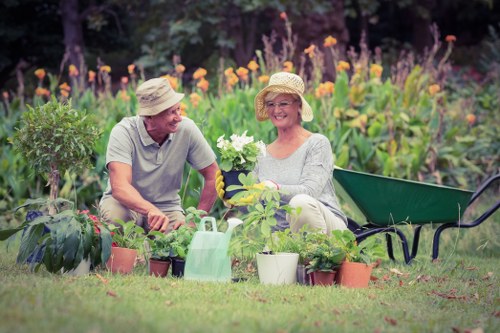
Manor House is an area where outdoor space is highly valued. Many properties have limited gardens, shared spaces, or urban plots that need smart planning to reach their full potential. Landscaping in Manor House can turn overlooked areas into comfortable and usable places. A small patio can become an outdoor dining area, a tired lawn can become a vibrant family space, and an empty frontage can become a polished entrance that sets the tone for the entire property.
One of the biggest advantages of professional landscaping in Manor House is that it improves both appearance and usability. Good design considers how people move through the space, where the sun falls, how water drains, and which plants thrive in local conditions. This means the final result is not just attractive but also practical and sustainable.
Landscaping also supports the local environment. Introducing trees, shrubs, pollinator-friendly flowers, and wildlife-supporting planting can create a healthier outdoor ecosystem. Manor House garden services often focus on balancing beauty with ecological value, helping property owners enjoy spaces that are greener and more resilient throughout the year.
Key Elements of Manor House Landscaping
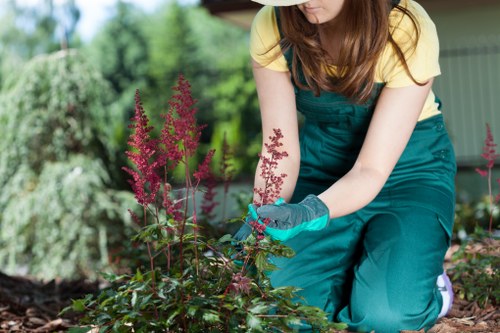
Successful landscaping in Manor House usually brings together several elements. Each one contributes to the overall look, structure, and maintenance needs of the space. A well-designed landscape is rarely about one feature alone; it is the combination of hard surfaces, soft planting, lighting, and finishing touches that creates harmony.
Common components include:
- Soft landscaping such as lawns, planting beds, shrubs, and flower borders
- Hard landscaping including paving, pathways, edging, retaining walls, and patios
- Garden lighting to improve safety and enhance evening atmosphere
- Fencing and screening for privacy and structure
- Water features or decorative elements for visual interest
- Drainage solutions to reduce pooling and surface water issues
Every property in Manor House has unique needs. A family garden may need durable turf, play space, and low-maintenance planting. A rental property may benefit from tidy, easy-care features. A business frontage may need clean lines, smart paving, and year-round appeal. The best landscaping in Manor House is tailored to the property, the people who use it, and the level of maintenance that is realistic over time.
Planning a Landscape Design in Manor House
Before any digging or planting begins, it is important to develop a clear plan. Good landscape design in Manor House starts with understanding the site. This includes the size of the garden, soil condition, amount of shade or sunlight, existing structures, and how the space is currently being used. Careful planning avoids costly mistakes and ensures the finished result works in practice, not just on paper.
Design decisions should reflect the lifestyle of the property owner. If the garden will be used for entertaining, the layout should include seating and movement space. If children or pets will use the area, durable surfaces and safe boundaries matter. If the priority is calm and privacy, planting and screening become more important. Landscaping Manor House projects perform best when the design is built around real daily needs.
When planning a project, it can help to think about the space in zones. For example, one area may be for dining, another for planting, and another for storage or utility use. This kind of layout makes the garden feel organised and easier to enjoy. It also helps maximise smaller urban gardens, which are common in Manor House.
Popular Landscaping Features in Manor House
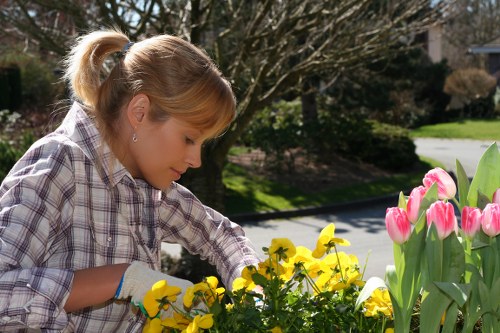
Many property owners in Manor House look for features that combine style with practicality. Some of the most popular choices include patios, seating areas, raised beds, decking, and low-maintenance planting schemes. These additions can dramatically improve how a garden functions without making it feel overcrowded.
A patio can extend living space outdoors and provide a solid base for furniture and pots. Raised beds are useful for adding structure and making planting easier to maintain. Decking can create a warm, elevated look in some gardens, while gravel areas can improve drainage and add texture. Each feature should be chosen to suit the space rather than added for decoration alone.
Other popular elements include garden borders, trellises, pergolas, and privacy screening. These features help define the landscape and can soften hard edges, especially in more urban surroundings. For homeowners seeking landscape gardening in Manor House, the goal is often to create a space that feels private, inviting, and easy to care for throughout the year.
Planting Ideas for Manor House Gardens
Planting is one of the most important parts of landscaping in Manor House. The right mix of plants can bring colour, movement, structure, and seasonal change to a garden. Planting should be selected based on sunlight, shade, soil type, and how much maintenance the garden owner wants to handle.
For a low-maintenance approach, evergreen shrubs, ornamental grasses, and hardy perennials are often excellent choices. These plants provide year-round structure and require less frequent replacement. If the goal is to create more seasonal interest, flowering plants, bulbs, and fragrant shrubs can be layered together for changing colour across spring, summer, and autumn.
Popular planting approaches for Manor House landscaping include:
- Using evergreen planting for year-round structure
- Adding pollinator-friendly flowers to support wildlife
- Choosing drought-tolerant species for easier maintenance
- Mixing heights and textures for visual depth
- Including climbers to soften fences and walls
Planting should also suit the character of the building. A modern property may suit neat lines and architectural planting, while a traditional home may look better with softer, layered borders. Well-chosen planting is one of the simplest ways to improve landscaping in Manor House without overcomplicating the design.
Hard Landscaping for Structure and Function
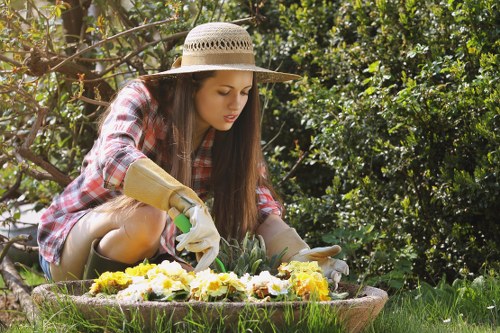
Hard landscaping gives a garden shape and permanent structure. In Manor House, where space may be limited and outdoor areas need to work efficiently, hard landscaping is often the foundation of a successful design. Patios, paths, walls, steps, edging, and driveways all play a role in creating order and usability.
The materials chosen for hard landscaping should match the property style and practical needs. Natural stone, porcelain paving, brick, concrete, and gravel each bring different textures and maintenance levels. For example, porcelain paving offers a clean, modern finish and is easy to keep tidy, while brick can suit more traditional properties. A skilled Manor House landscaper will consider slip resistance, durability, drainage, and visual balance when recommending materials.
Hard landscaping is also important for defining space. A path can guide movement through the garden, a retaining wall can manage changes in height, and an edging detail can separate planting from lawn or paving. When hard landscaping is well planned, it makes the entire garden feel more usable and more refined.
Lawn Care and Turf Solutions in Manor House
Lawns remain a popular feature in many Manor House gardens, but they need the right care to stay healthy and attractive. In urban settings, lawns may struggle with shade, compacted soil, foot traffic, or poor drainage. This is why lawn care is a major part of many landscaping in Manor House projects.
Depending on the site, a new turf installation, lawn renovation, or artificial grass solution may be appropriate. Real turf gives a natural look and can support biodiversity, while artificial grass may suit busy households that want a low-maintenance alternative. Each option has advantages, and the right choice depends on the garden’s use, budget, and maintenance expectations.
Regular mowing, feeding, aeration, and scarification can help natural lawns stay in good condition. If the lawn is patchy or uneven, it may be more efficient to redesign part of the space with planting, paving, or gravel rather than fighting constant repair issues. Practical lawn solutions are an important part of professional landscaping in Manor House.
Low-Maintenance Landscaping in Manor House
Many homeowners want an attractive garden without spending every weekend on upkeep. Low-maintenance landscaping in Manor House is especially appealing for busy professionals, landlords, older residents, and anyone who prefers a tidy garden that does not demand constant attention. This type of landscaping does not mean “boring” or “bare”; it means intelligent design choices that reduce work while keeping the space stylish.
Some effective low-maintenance ideas include gravel gardens, evergreen planting, weed-suppressing membranes, raised beds, and durable paving. Drip irrigation and mulching can also reduce watering and protect plant health. By limiting the number of high-maintenance plants and choosing strong, reliable materials, the garden can remain beautiful with less effort.
Low-maintenance landscaping Manor House residents often appreciate is about striking a balance between simplicity and visual appeal. It works best when the layout is uncluttered, the materials are long-lasting, and the planting is chosen for resilience rather than constant seasonal replacement.
Seasonal Care for Manor House Gardens

Seasonal maintenance keeps landscaping in Manor House looking fresh all year round. Each season brings different tasks, and a well-maintained garden will respond better to weather changes, plant growth, and everyday use. Seasonal care is also a smart way to protect the investment made in the initial design and installation.
In spring, tasks may include pruning, lawn feeding, planting, and cleaning paths after winter weather. Summer often focuses on watering, deadheading flowers, trimming hedges, and keeping outdoor areas tidy for use. Autumn may involve leaf clearance, cutting back perennials, and preparing the garden for colder conditions. Winter is the time to protect more delicate plants, inspect hard landscaping, and plan improvements for the year ahead.
Regular upkeep is one of the best ways to preserve the appearance and performance of landscaping in Manor House. Even small, routine jobs can make a noticeable difference and prevent bigger issues from developing later.
Landscaping for Front Gardens in Manor House
Front gardens play a major role in first impressions. In Manor House, front garden landscaping should enhance kerb appeal while remaining practical and easy to maintain. Since front spaces are often smaller and more visible, even modest changes can have a big impact.
Popular front garden improvements include neat planting borders, paved entrances, low hedging, feature pots, and upgraded paths. Good design should make access easy, improve the appearance of the property, and complement the architecture. A front garden can also be designed to increase privacy without making the home feel closed off.
Many property owners choose to combine landscape gardening in Manor House with security and access features. This can include better lighting, stronger boundaries, and safer paths. A front garden should be welcoming, but it should also be durable and simple to manage.
Back Garden Landscaping for Relaxation and Everyday Use
Back gardens in Manor House often need to do more than one job. They may serve as a space for family time, outdoor dining, gardening, storage, or quiet relaxation. Landscaping can help organise all of those uses in a way that feels comfortable and attractive.
For example, a deck or patio can create an outdoor seating area, while planting can soften boundaries and provide privacy. If the garden is small, built-in seating, vertical planting, and compact features can save space. If the garden is larger, zones can be created for play, entertaining, and planting. The aim is to make the garden feel intentional, not crowded.
Back garden landscaping in Manor House should reflect how the space will actually be used. A beautiful garden is one that works for the people living there every day, not just one that looks good in isolation.
Commercial Landscaping in Manor House
Businesses in Manor House also benefit from professional landscaping. A smart exterior can make a strong impression on customers, tenants, visitors, and staff. Commercial landscaping may involve maintaining entrances, creating seating areas, adding planting, and ensuring outdoor spaces remain clean and presentable.
For commercial properties, reliability and safety are just as important as visual appeal. Paved areas should be even and accessible, planting should be tidy and durable, and drainage should be carefully considered. Landscaping can also support brand image by reflecting the style and standards of the business.
Whether it is an office, shopfront, residential block, or hospitality space, landscaping in Manor House can help create a more professional environment. Well-maintained outdoor spaces can improve the experience for everyone who uses the property.
Choosing the Right Materials and Plants
Material and plant selection can make or break a landscape. The best landscaping in Manor House uses materials that suit the local environment, the building style, and the expected level of wear. For example, a family garden may need robust paving and hard-wearing turf, while a decorative courtyard might benefit from sleek stone and compact planting.
It is also important to think about long-term performance. Will the paving stay looking smart after rain? Will the plants remain healthy with the available light? Will the surface be safe underfoot? These questions matter because they affect how enjoyable and sustainable the garden will be over time.
Good landscaping choices are often the result of experience and local knowledge. A thoughtful Manor House landscaper can recommend options that look good now and continue to perform well in the future.
How Professional Landscaping Adds Value in Manor House
One of the most attractive benefits of landscaping in Manor House is the potential to add value. A tidy, well-designed garden can make a property more appealing to buyers, tenants, and visitors. It suggests care, quality, and attention to detail. In many cases, outdoor improvements can make a property stand out in a competitive market.
Value is not only financial. Landscaping can also improve daily life by creating more usable space, reducing stress, and making outdoor areas easier to enjoy. A garden that suits the homeowner’s lifestyle is a genuine asset. That is why so many people see landscaping as an investment rather than just a cosmetic upgrade.
From simple refreshes to full redesigns, Manor House landscaping can bring lasting returns. The key is to choose improvements that support both present enjoyment and long-term practicality.
Working with a Landscaping Specialist in Manor House
While some garden improvements can be handled as DIY projects, many people prefer to work with a specialist for more complex landscaping in Manor House. A professional can help with design, planning, material selection, installation, and ongoing maintenance. This is especially useful when the project includes drainage work, paving, walls, or a complete layout redesign.
A landscaping specialist can also help avoid common issues such as poor plant placement, uneven surfaces, or materials that do not suit the site. With local experience, they can suggest practical solutions for London conditions, including shade, moisture, and space limitations. They can also help ensure the project feels cohesive rather than pieced together over time.
If you are thinking about improving your outdoor space, now is a strong time to take the next step. Contact us today to discuss landscaping in Manor House that fits your property, style, and budget. Book your service now and start turning your outdoor space into an area you can enjoy every day.
Final Thoughts on Landscaping in Manor House
Landscaping in Manor House is about more than visual improvement. It is about making outdoor spaces practical, welcoming, and suited to modern living. Whether the goal is to create a family-friendly garden, a low-maintenance courtyard, a polished front entrance, or a professional commercial exterior, the right design choices can make a lasting difference.
By combining soft landscaping, hard landscaping, planting, and regular maintenance, property owners can create spaces that feel balanced and purposeful. From small upgrades to larger transformations, Manor House garden services can help bring structure, colour, and comfort to every type of outdoor area.
If you want a garden that looks good, works well, and adds value to your property, landscaping Manor House is a smart place to start. With careful planning and the right approach, your outdoor space can become one of the most enjoyable parts of your home or business.