Lawn Care in Manor House: A Practical, Local Approach to a Healthier, Greener Garden
If you are looking for lawn care in Manor House, you are probably aiming for one thing: a lawn that looks neat, feels soft underfoot, and stays healthy throughout the changing seasons. In a busy London area like Manor House, outdoor spaces often face a mix of challenges, from shaded patches and compacted soil to traffic wear, weather swings, and limited time for upkeep. That is why a thoughtful approach to Manor House lawn care matters so much.
A well-maintained lawn can transform a front garden, shared outdoor area, or private back space into something more inviting and usable. It can also improve the overall appearance of a property, support biodiversity, and create a more enjoyable environment for family life, relaxing, or entertaining. With the right lawn maintenance routine, even a small urban lawn can thrive.
Whether you are dealing with moss, patchy grass, dry areas, or general wear, there are practical steps that make a real difference. From mowing and feeding to aeration and seasonal treatment, lawn care in Manor House works best when it is consistent, local-condition focused, and tailored to the actual needs of the turf.
Why Lawn Care in Manor House Needs a Local Approach

Every neighbourhood has its own lawn conditions, and Manor House is no exception. Urban gardens often have more shade from buildings and trees, more foot traffic, and more compacted soil than suburban lawns. These factors influence how grass grows and how often it needs attention. A lawn care routine that works elsewhere may not produce the same results here.
Manor House lawn care often needs to account for limited sunlight, air circulation issues, and soil that does not drain as well as expected. In some gardens, the problem is too much shade; in others, it is a lack of nutrients or an uneven surface caused by years of wear. Recognising these conditions early helps avoid unnecessary work and wasted effort.
Another important factor is the local climate. While London is not known for extreme weather, it does experience seasonal shifts that affect grass health. Wet winters, mild springs, dry summer spells, and cool autumn periods all play a role in how your lawn responds. The best lawn care in Manor House is seasonal, adaptable, and proactive rather than reactive.
Core Lawn Care Services That Make a Difference

Healthy grass needs more than occasional mowing. A proper lawn maintenance plan includes several essential services that work together to support growth, colour, density, and resilience. These services are especially valuable in Manor House, where lawns may be exposed to uneven growing conditions and frequent use.
Some of the most effective services include regular mowing, edging, feeding, weed control, moss treatment, scarifying, aeration, overseeding, and seasonal lawn treatment. Each task has a purpose, and together they create the foundation for long-term lawn health. When done properly, they reduce stress on the turf and help it recover from wear.
For homeowners and property managers alike, investing in professional lawn care in Manor House can save time and improve results. A lawn that is maintained regularly is easier to manage, less likely to develop serious problems, and far more attractive all year round.
1. Mowing for Healthy Growth
Regular mowing is one of the simplest and most important parts of lawn care. Cutting grass at the right height encourages stronger roots, improves density, and keeps the lawn looking tidy. In Manor House, where lawns may face shade and limited recovery time, mowing should be precise rather than aggressive.
It is usually better to mow little and often than to cut too much at once. Removing too much grass in a single pass can shock the turf, expose soil, and encourage weeds. The ideal mowing height depends on the grass type, the season, and how much sun the lawn receives.
Top mowing tips:
- Keep mower blades sharp for a clean cut
- Never remove more than one-third of the grass height at a time
- Adjust mowing frequency during growth spurts
- Leave the lawn slightly longer in shaded areas
Seasonal Lawn Care in Manor House

Seasonal changes are a big part of successful lawn care in Manor House. Grass does not need the same treatment all year, and the timing of tasks matters as much as the tasks themselves. By aligning care with the seasons, you can support steady growth and avoid unnecessary damage.
Spring usually focuses on recovery, aeration, feeding, and weed control. Summer is about maintaining healthy growth, watering wisely, and preventing heat stress. Autumn is the season for scarifying, overseeding, and strengthening the lawn ahead of winter. Winter, meanwhile, is more about protection, minimal disturbance, and keeping the turf clear of debris where possible.
Manor House lawn care is most effective when seasonal work is planned in advance. A lawn that receives the right care in spring will often look better in summer and recover more quickly in autumn. Small, timely interventions can prevent larger problems later.
Spring Lawn Care
Spring is a key time for reviving tired turf after winter. As temperatures rise and daylight increases, grass begins to grow more actively. This is the perfect time to inspect the lawn, remove debris, and address issues such as moss, thatch, and compaction.
Spring tasks often include:
- Light scarifying to remove dead material
- Aeration to improve air and water movement
- Overseeding bare or thin areas
- Applying a balanced spring feed
- Careful mowing as growth resumes
A good spring routine gives your lawn a strong start and sets the tone for the rest of the year.
Dealing with Common Lawn Problems

Many lawns in Manor House develop familiar issues over time. Some of these problems are cosmetic, while others affect the long-term health of the turf. The good news is that most can be improved with the right treatment and steady care. Knowing what you are looking at is the first step toward restoring a healthier lawn.
Moss is one of the most common concerns, especially in shaded or damp gardens. It often appears where grass is weak, soil is compacted, or drainage is poor. Weeds can also take over thinning areas, while bare patches may form from pet damage, high traffic, or repeated dry spells. In some cases, the issue is not one big problem but a combination of several smaller ones.
Good lawn care in Manor House should focus on improving conditions rather than only treating symptoms. If moss keeps returning, for example, it may be because the lawn needs better aeration, more sunlight, or a different grass mix. If bare spots keep appearing, the soil structure or lawn usage pattern may need attention.
How to Handle Moss
Moss thrives where grass struggles. Treating moss effectively means addressing the underlying issue as well as the visible growth. In shaded Manor House gardens, this often involves adjusting mowing height, reducing compaction, and improving soil aeration.
Useful moss control actions include:
- Scarifying to remove moss and thatch
- Aerating the soil to reduce compaction
- Feeding the grass to strengthen competition
- Reducing shade where possible
- Improving drainage in persistently damp areas
Strong turf is the best defence against moss. When grass becomes denser and healthier, moss has less room to establish itself.
Soil Health and Lawn Restoration in Manor House
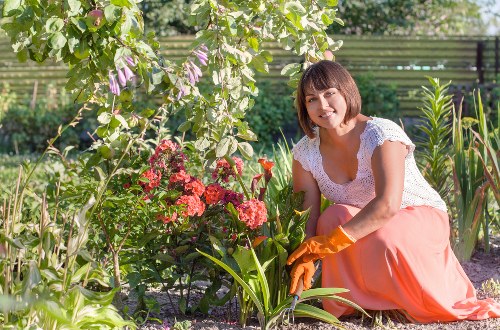
Great lawns start below the surface. Soil condition affects drainage, nutrient availability, root growth, and overall turf resilience. In many urban settings, lawn soil becomes compacted over time, especially where people walk, children play, or garden access is limited. This is why soil improvement is such an important part of lawn care in Manor House.
A compacted lawn may drain poorly, dry out quickly on top, or struggle to absorb feed and water. Aeration helps solve this by creating small openings in the soil, allowing air and moisture to move more freely. In some cases, topdressing with sand or a soil blend can also help level the surface and improve structure.
Where a lawn has become badly worn, restoration may be more effective than simple maintenance. This can involve removing dead material, improving the base layer, overseeding, and carefully nurturing new growth. A structured restoration plan can turn a tired lawn into a much healthier one over time.
Aeration and Overseeding
Aeration and overseeding work especially well together. Aeration reduces compaction and creates better growing conditions, while overseeding introduces fresh grass seed to fill thin or damaged areas. Together, they help thicken the lawn and improve its appearance.
Benefits include:
- Better root development
- Improved drainage and water penetration
- Thicker, more even grass coverage
- Greater resistance to weeds and wear
- Better recovery after stress or damage
For many properties, these treatments are central to Manor House lawn care because they address both present appearance and future performance.
Watering, Feeding, and Fertilising the Right Way
Water and nutrients are essential, but they must be used wisely. Overwatering can encourage shallow roots and disease, while underfeeding can leave the lawn weak and pale. The best results come from balanced, targeted care that supports healthy growth without pushing the grass too hard.
In Manor House, watering needs often depend on shade, soil type, and seasonal rainfall. A lawn in full sun will usually need more moisture than a lawn under trees or beside buildings. It is often better to water deeply and less frequently than to sprinkle lightly every day. This encourages roots to grow deeper and makes the lawn more resilient.
Feeding should also be matched to the season. Spring and summer feeds are usually designed to support growth and colour, while autumn feeds often strengthen the roots and help the lawn prepare for colder weather. A balanced fertiliser strategy is a core part of lawn care in Manor House because it keeps the grass steady rather than overstimulated.
Practical Watering Tips
To keep watering efficient and effective, it helps to follow a few simple rules:
- Water early in the morning to reduce evaporation
- Focus on dry or sun-exposed areas
- Avoid constant shallow watering
- Check soil moisture before adding more water
- Use rainfall to your advantage whenever possible
Tip: A lawn that is slightly dry is often stronger than one that is constantly wet at the surface.
Fertiliser Timing Matters
Applying feed at the wrong time can do more harm than good. Too much nitrogen in late autumn, for example, may create weak growth when the lawn should be preparing for winter. A well-timed feeding routine helps the grass stay thick, green, and healthy without encouraging unnecessary stress.
Benefits of Professional Lawn Care in Manor House
Many people enjoy caring for their own lawn, but there are real advantages to bringing in professional help. A skilled lawn care service can identify problems early, choose the right treatment, and complete tasks efficiently. This is especially helpful in Manor House, where lawns may be small but still require a surprising amount of attention.
Professional lawn care in Manor House can be useful for homeowners, landlords, letting agents, and commercial property managers. It can also be especially valuable for people who want a consistently smart-looking lawn without spending every weekend on maintenance. With expert support, tasks like aeration, moss control, feeding, and seasonal treatment are more likely to be done at the right time and in the right way.
Another advantage is consistency. Many lawn issues build up slowly, and regular maintenance prevents them from becoming expensive to fix. A professional approach helps maintain quality through the seasons, not just after a one-off tidy-up.
What Good Lawn Care Looks Like
A healthy Manor House lawn usually shows several clear signs:
- Even colour across most of the surface
- Good grass density with fewer bare spots
- Less moss and fewer weeds
- Better drainage after rainfall
- Stronger recovery after mowing or use
If your lawn does not yet look like this, do not worry. Most lawns improve with patience, the right routine, and proper seasonal attention.
Choosing the Right Lawn Care Routine for Your Property
Not every lawn in Manor House needs the same treatment. A small shaded front garden will have different needs from a family lawn that gets lots of foot traffic. The right plan depends on grass type, soil condition, light levels, drainage, and how the space is used.
For example, a decorative lawn may need frequent trimming and careful edging, while a busy family lawn may need more aeration, patch repair, and tougher feeding. A neglected lawn may first need restoration before it can move into a maintenance phase. The best Manor House lawn care plan is flexible and realistic, not generic.
It can help to assess your lawn in stages:
- Look at colour and density
- Check for moss, weeds, and bare areas
- Observe drainage after rainfall
- Notice how much sunlight the lawn receives
- Think about how the lawn is used day to day
Once these factors are clear, the maintenance plan becomes much easier to shape.
Simple Maintenance Habits That Add Up
Good lawn care is often about small habits done consistently. Removing fallen leaves, avoiding mowing wet grass, rotating traffic paths where possible, and keeping edges neat all contribute to a cleaner, healthier lawn. These habits may seem minor, but over time they make a noticeable difference.
Consistency is the secret to reliable lawn health. One perfect treatment is helpful, but regular care is what truly keeps the lawn in shape.
Why Manor House Homeowners Value a Well-Kept Lawn
A healthy lawn does more than improve appearance. It changes how a property feels and how the outdoor space is used. In Manor House, where many homes and buildings benefit from compact gardens or shared green areas, a well-maintained lawn can create a sense of calm, freshness, and order.
There are also practical advantages. A strong lawn helps reduce dust, softens hard outdoor surfaces, and supports a more enjoyable environment for children, pets, and guests. When maintained properly, it becomes a functional part of the property rather than just decoration. That is one reason why lawn care in Manor House remains a valuable service year after year.
In the end, lawn care is not just about achieving a greener look. It is about building a space that is healthier, easier to use, and better suited to everyday life. Whether you are improving a tired garden or protecting an already good one, the right approach pays off.
Final Thoughts on Lawn Care in Manor House
From mowing and feeding to scarifying, aeration, and moss control, every part of lawn care works together to create a stronger result. Manor House lawns often need a little extra attention because of shade, compaction, and local growing conditions, but those challenges can be managed with the right plan. With seasonal care, sensible maintenance, and timely treatment, even a difficult lawn can improve significantly.
If you want a garden that looks better, feels better, and performs better through the seasons, now is the right time to act. Contact us today to discuss your lawn needs, or book your service now to start improving your outdoor space with professional lawn care in Manor House. A healthier lawn begins with the right first step.