Recycling and Sustainability at Gardeners Manor House
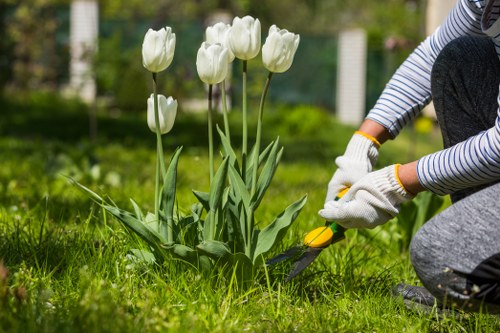 Gardeners Manor House takes a practical, community-minded approach to recycling and sustainability, building environmentally responsible habits into everyday gardening and grounds care. Our work supports greener outdoor spaces while helping reduce the amount of waste sent to landfill. By planning jobs carefully, separating materials properly, and choosing lower-impact transport, our team helps make sustainable garden maintenance part of a broader local effort to cut waste and protect resources.
Across the boroughs we work in, waste separation standards are becoming increasingly specific, with residents and businesses expected to sort materials such as paper, cardboard, plastics, metals, garden waste, and mixed refuse into the correct streams. We support that local approach by aligning our own practices with borough recycling expectations and by keeping reusable materials out of disposal routes wherever possible. This includes collecting green waste for composting, sorting timber and metal from site clearances, and identifying items that can be passed on for reuse rather than discarded.
 A key aim of our Gardeners Manor House recycling policy is to achieve a minimum recycling percentage target of 85% across suitable work waste, including green waste, packaging, and recoverable materials from maintenance projects. To reach that target, we review waste types before each job, use segregated containers where practical, and direct recyclable material to the most appropriate local facilities. The result is a more efficient and accountable process that supports circular use of resources rather than a simple throwaway model.
Local Recycling Routes and Transfer Stations
When materials cannot be reused on site, they are taken to local transfer stations and licensed waste facilities for sorting and processing. These nearby routes help reduce transport distances and keep logistics manageable, which is important when handling bulky green waste, soil, broken pots, old fencing, or non-reusable hard landscaping materials. Using local transfer stations also means recyclable loads can be separated more effectively before they reach final processing, improving recovery rates and reducing contamination.
Our teams are careful about the kind of material sent onward. Organic waste such as grass cuttings, hedge trimmings, and leaves is prioritised for composting or mulching streams, while inert materials and metal components are directed to specialist recovery. This measured approach is especially valuable in boroughs where waste separation is closely monitored, and where different collection rules may apply to household-style recyclables, garden waste, and construction-related debris. By respecting those distinctions, Gardeners Manor House sustainability practices remain both compliant and efficient.
In the middle of our environmental strategy is a simple idea: reduce waste first, then reuse, then recycle. That sequence influences how jobs are organised, from planting schemes that minimise offcuts to maintenance routines that keep plant material healthy enough for composting. We also seek opportunities to reuse containers, protectors, and edging where condition allows, helping avoid unnecessary replacement purchases. This kind of resource-aware work is a key part of responsible recycling at Gardeners Manor House.
Charity Partnerships and Reuse
 Not every item needs to become waste. Gardeners Manor House works in partnership with selected charities and community reuse organisations to redirect usable goods toward people who can benefit from them. Surplus plant pots, serviceable tools, gently used outdoor furniture, and decent-quality materials may be passed on when suitable, supporting local causes while extending the life of valuable items. These charity partnerships are an important part of our commitment to practical sustainability and waste reduction.
Reuse is often the most effective form of recycling because it preserves the energy already embedded in a product. By donating rather than disposing, we help lower demand for new materials and reduce the emissions associated with manufacturing, packaging, and transport. This is especially useful for items removed during garden refreshes or estate maintenance, where a large amount of perfectly serviceable material can sometimes be recovered if the right process is in place.
We also encourage careful sorting for donated materials so that charities receive items that are genuinely useful and safe to handle. This means separating broken items from reusable ones, cleaning where appropriate, and keeping paperwork or fittings together when they add value. The same attention to detail that supports our recycling and sustainability targets also helps charitable partners benefit from higher-quality donations.
Low-Carbon Vans and Greener Travel
 Transport matters just as much as sorting and reuse. That is why Gardeners Manor House uses low-carbon vans as part of its growing sustainability programme, helping reduce emissions linked to site visits, waste movements, and equipment delivery. Lower-emission vehicles are an important way to cut the environmental footprint of day-to-day operations, especially when multiple trips would otherwise be required to move green waste or collect materials for reuse and recycling.
Where possible, routes are planned efficiently to limit unnecessary mileage, and vans are loaded to maximise each journey. This reduces fuel use, lowers carbon output, and supports a more streamlined service overall. Combined with local transfer station use and careful waste segregation, our transport choices contribute to a more climate-conscious model of garden services. In this sense, Gardeners Manor House recycling is not just about what happens on-site; it also covers how materials move through the wider system.
Our approach continues to evolve as borough waste rules, local recycling capacity, and low-emission vehicle technology improve. By keeping the focus on practical action, we can support greener outdoor spaces while making sure waste is handled responsibly, materials are reused wherever possible, and recycling routes are chosen intelligently. This is sustainability in action: structured, local, and designed to deliver measurable environmental benefits.
Working Toward a Cleaner Local Future
 Gardeners Manor House believes that recycling and sustainability should be visible in every stage of garden care, from sorting and storage to donation and transport. Whether it is composting green waste, sending recoverables to local transfer stations, supporting charities through reuse, or running low-carbon vans, each part of the process helps lower environmental impact. The aim is not only to manage waste well, but to make sure every suitable material finds the most responsible next step.
As boroughs continue refining their approach to waste separation and resource recovery, we remain committed to meeting those expectations with consistency and care. By combining disciplined recycling practices with community partnerships and lower-carbon logistics, Gardeners Manor House helps build a more sustainable pattern of garden service delivery—one that supports the landscape today and conserves resources for tomorrow.