Landscape Gardening in Manor House: Creating Beautiful Outdoor Spaces That Feel Timeless
Landscape gardening in Manor House is about much more than planting flowers and trimming hedges. It is the art of shaping outdoor spaces so they feel balanced, elegant, practical, and enjoyable throughout the year. Whether you own a traditional property, a modern townhouse, or a family home with a small courtyard, the right approach to landscape gardening in Manor House can transform an ordinary garden into a calm and inviting extension of the home.
In an area like Manor House, where character, greenery, and urban living often meet, thoughtful garden design matters. Residents increasingly want outdoor spaces that are attractive, easy to maintain, and suited to everyday life. From soft planting schemes and structured lawns to compact patios and wildlife-friendly borders, landscape gardening in Manor House brings together beauty and function in a way that fits the local setting.
At its best, landscape gardening creates an outdoor environment that feels personal. It can make a small garden appear larger, bring light into shaded corners, improve privacy, and add value to a property. It can also support biodiversity, reduce maintenance, and improve the way a space is used for relaxing, entertaining, or family activities. For homeowners looking to improve curb appeal or redesign a tired garden, landscape gardening in Manor House offers endless possibilities.
Why Landscape Gardening in Manor House Matters
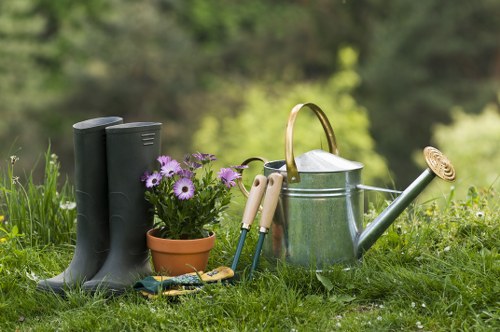
Manor House has a unique mix of residential architecture and urban surroundings, which means gardens often need to be both stylish and practical. Landscape gardening in Manor House helps homeowners make the most of limited space while preserving a sense of calm and privacy. A well-planned garden can soften hard edges, create structure, and make even a modest outdoor area feel like a private retreat.
Another reason landscape gardening in Manor House is so valuable is that it supports a better lifestyle. Outdoor spaces are no longer seen as decorative extras; they are used for dining, play, relaxation, and even work. A professionally designed garden can support all these uses while staying visually appealing. Whether you prefer contemporary design or a more natural look, the right plan can enhance everyday living.
Landscape gardening also improves the long-term health of a garden. Careful plant selection, soil improvement, drainage planning, and seasonal maintenance all contribute to a space that thrives rather than struggles. This is especially important in places where gardens may face shade, compacted soil, or pollution from nearby roads. With the right approach, outdoor areas in Manor House can become resilient, beautiful, and easy to enjoy.
Planning a Garden Design That Suits Manor House Homes
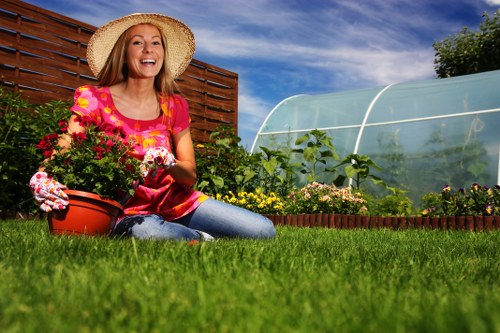
Successful landscape gardening in Manor House begins with a clear plan. Before choosing plants or materials, it is important to understand how the space will be used. Do you need a quiet reading corner, a dining space for guests, or a child-friendly lawn? Are you hoping for year-round greenery, low maintenance, or a garden full of colour? These questions shape every design decision.
Size is not the only factor. Light levels, existing structures, soil type, access, and privacy all influence the final result. A narrow garden may benefit from layered planting and vertical features, while a larger plot may allow for separate zones. In landscape gardening in Manor House, the aim is to make every square metre count without making the space feel crowded.
Designers often begin with a site assessment. This helps identify problem areas such as poor drainage, overgrown borders, or awkward layouts. From there, a tailored plan can be created that balances structure, softness, and usability. The best landscape gardening in Manor House projects are designed to look good from inside the house as well as from the garden itself, creating a seamless visual connection between indoor and outdoor living.
Key planning considerations
- Garden size and shape
- Sun exposure and shade patterns
- Soil quality and drainage conditions
- Privacy from neighbours or nearby streets
- Preferred style, such as modern, cottage, or naturalistic
- Maintenance level that suits the household
Popular Design Features in Landscape Gardening in Manor House
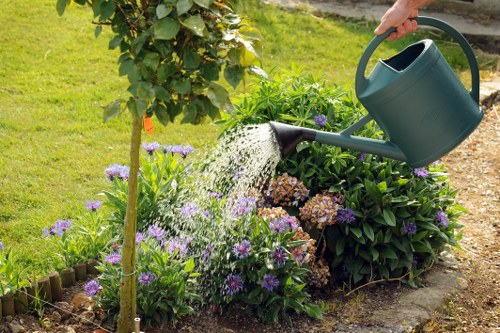
There are many ways to make a garden in Manor House feel special, and the best features are the ones that suit the property and the people using it. Hard landscaping elements often provide the backbone of the design, while planting brings softness, texture, and seasonal change. Together, they create a garden that feels complete and well thought out.
Patios are one of the most requested elements in landscape gardening in Manor House. They offer a practical place for outdoor dining, lounging, or entertaining, and they can be finished in a wide range of materials such as sandstone, porcelain, gravel, or reclaimed brick. Pathways also help guide movement through the space and can be used to connect different garden zones.
Raised beds, screening panels, pergolas, water features, and decorative lighting can all be used to add personality and depth. For homes with limited space, vertical planting and built-in seating can make a huge difference. Every feature should serve a purpose, whether that purpose is visual interest, comfort, or improved usability.
Common features used by local garden designers
- Stylish paving and patios
- Timber or composite decking
- Low-maintenance gravel areas
- Timber screens and trellises
- Built-in planters and raised beds
- Garden lighting for safety and atmosphere
- Water elements for movement and sound
When used well, these features can make landscape gardening in Manor House feel polished without becoming overly formal. The goal is a garden that looks intentional and welcoming, not overdesigned.
Planting Ideas That Work Well in Manor House
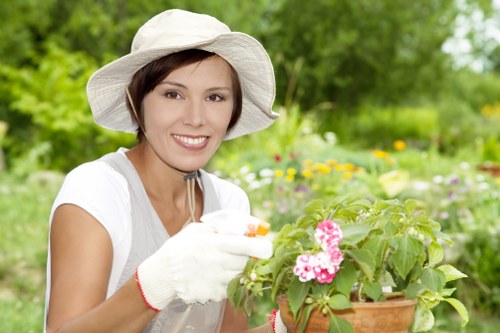
Plant selection is one of the most enjoyable parts of landscape gardening in Manor House. Plants bring colour, scent, structure, and life to a garden, while also helping define the style of the space. The best planting schemes are usually layered, combining trees, shrubs, perennials, ornamental grasses, and seasonal flowers for a rich and natural effect.
In urban and semi-urban settings, plants need to be chosen carefully. Some gardens receive full sun, while others are shaded by buildings or fences. Soil may be dry, compacted, or lacking nutrients. A smart planting plan takes these conditions into account and focuses on species that will thrive rather than merely survive. This approach is central to successful landscape gardening in Manor House.
For year-round structure, evergreen shrubs and small trees are extremely useful. They give the garden form even in winter and help create privacy. Perennials add softness and changing colour, while bulbs and flowering annuals offer bursts of interest through the seasons. Wildlife-friendly plants are also increasingly popular because they encourage bees, butterflies, and birds to visit the garden.
Planting combinations to consider
- Evergreen hedging with seasonal border planting
- Ornamental grasses mixed with architectural shrubs
- Shade-loving ferns, hostas, and hellebores
- Pollinator-friendly lavender, salvia, and echinacea
- Small ornamental trees paired with understory planting
Well-chosen planting does more than look attractive. It can reduce maintenance, improve biodiversity, support drainage, and make the garden feel more established. In landscape gardening in Manor House, the right plants help create a space that grows better over time.
Making the Most of Small Gardens and Courtyards
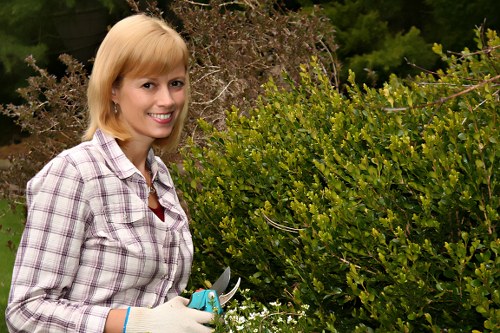
Many homes in Manor House have limited outdoor space, but that does not mean garden design has to be limited too. In fact, smaller gardens can be some of the most rewarding to work on because every detail matters. Landscape gardening in Manor House often focuses on clever solutions that make compact spaces feel brighter, more open, and more functional.
One of the best strategies is to create zones within the garden. Even a small space can include a seating area, a planting section, and a feature wall or focal point. Using consistent materials and a restrained colour palette helps the space feel unified rather than cluttered. Mirrors, reflective surfaces, and carefully placed lighting can also create the impression of depth.
Vertical gardening is particularly effective in tight spaces. Trellises, climbing plants, wall-mounted planters, and tall narrow shrubs can draw the eye upward and maximise planting potential. In landscape gardening in Manor House, these techniques help transform patios and courtyards into stylish outdoor rooms.
Smart ideas for small outdoor spaces
- Choose multifunctional furniture
- Use pale paving to reflect light
- Install raised planters for height and structure
- Pick compact plants rather than spreading varieties
- Keep pathways simple and uncluttered
- Use hidden storage to reduce visual mess
With the right layout, even a modest garden can feel expansive. Landscape gardening in Manor House proves that size is less important than thoughtful design.
Hard Landscaping and Soft Landscaping: Finding the Right Balance
Good garden design depends on the balance between hard landscaping and soft landscaping. Hard landscaping includes paving, edging, fencing, retaining walls, and structural features. Soft landscaping includes plants, lawn areas, mulch, and soil-based elements. In landscape gardening in Manor House, both are essential because each plays a different role in shaping the space.
Hard landscaping gives the garden structure and improves usability. It defines edges, creates levels, manages slopes, and provides practical surfaces for walking and sitting. Soft landscaping brings life, movement, and seasonal interest. Without planting, a garden can feel cold. Without structure, it can feel messy or unfinished.
The best landscape gardening in Manor House combines the two in a way that feels seamless. For example, a paved seating area may be softened with nearby planting, while a lawn can be bordered by raised beds or clipped hedges. Materials should complement the style of the home, and planting should enhance rather than hide the architecture.
Balance is everything. Too much hard landscaping can make a garden feel sterile, while too much planting without structure can become difficult to manage. A skilled design finds the right proportions for the property and the people who use it.
Improving Privacy, Comfort, and Outdoor Living
In urban settings, privacy is often one of the biggest concerns. Landscape gardening in Manor House can address this with smart screening, planting, and layout choices. Tall hedging, bamboo screens, lattice panels, and layered borders can all help create a more secluded atmosphere without making the garden feel boxed in.
Comfort matters too. A garden should invite people to spend time outside, not just look at it from indoors. That means considering shade, shelter, seating, and lighting. Pergolas, parasols, and carefully placed trees can provide relief from strong sun, while enclosed spaces can reduce wind and make the garden more usable in cooler months.
Outdoor living areas are increasingly popular, and landscape gardening in Manor House can support them beautifully. Dining terraces, cosy seating nooks, and fire pit zones all add flexibility to the space. When these areas are surrounded by attractive planting and well-chosen materials, the garden becomes an extension of the home.
Features that improve comfort
- Wind breaks and screening
- Overhead shade structures
- Soft ambient lighting
- Comfortable seating built into the design
- Level, slip-resistant surfaces
These details help ensure that landscape gardening in Manor House is not just attractive, but genuinely enjoyable in daily use.
Low-Maintenance Landscaping for Busy Homeowners
Many homeowners want a garden that looks good without demanding constant attention. Low-maintenance landscape gardening in Manor House is ideal for busy households, professionals, and anyone who prefers to spend more time enjoying the garden than working on it. The key is to make smart choices from the beginning.
Durable materials such as porcelain paving, quality gravel, and weather-resistant timber can reduce upkeep. Planting should also be selected carefully, with an emphasis on hardy perennials, shrubs, and evergreen structure. Mulching borders helps suppress weeds and retain moisture, reducing the need for frequent watering and weeding.
Simple layouts are often easier to maintain than highly intricate ones. Clean lines, defined borders, and accessible planting areas make routine care faster and more manageable. In landscape gardening in Manor House, low-maintenance does not mean boring. It simply means designing a garden that stays attractive with less effort.
Practical maintenance-friendly ideas include:
- Reducing large lawn areas
- Using slow-growing shrubs
- Installing irrigation for dry periods
- Choosing perennial planting schemes
- Creating weed-resistant surfaces
If your goal is a neat, stylish garden that fits a busy lifestyle, contact us today and explore how landscape gardening in Manor House can be adapted to your routine.
Seasonal Interest and Year-Round Appeal
A successful garden should look good in every season, not just in spring and summer. That is why landscape gardening in Manor House often includes a mix of evergreen plants, spring bulbs, summer flowers, autumn colour, and winter structure. This layered approach ensures the garden remains appealing throughout the year.
Seasonal changes give a garden rhythm. In spring, fresh growth and blossoms create excitement. In summer, lush planting and outdoor living areas come into their own. Autumn brings warm tones and texture, while winter highlights structure, bark, and evergreen form. A well-designed garden keeps something interesting happening at all times.
Lighting also plays an important role in year-round enjoyment. Subtle lights along paths, beneath trees, or around seating areas can make the garden usable after dark and add atmosphere during darker months. In landscape gardening in Manor House, these finishing touches often make the difference between an ordinary garden and one that feels refined.
Sustainable Landscape Gardening in Manor House
Sustainability is increasingly important in modern garden design. Homeowners want spaces that support nature, use resources responsibly, and remain resilient over time. Landscape gardening in Manor House can achieve this through thoughtful plant choices, permeable surfaces, composting, water-efficient design, and wildlife-friendly features.
Permeable paving and gravel areas can improve drainage by allowing rainwater to soak into the ground rather than run off into drains. Native and pollinator-friendly planting supports local insects and birds. Reusing existing materials where possible can reduce waste and add character. Even small changes, such as installing a water butt or choosing drought-tolerant species, can make a meaningful difference.
Sustainability does not mean sacrificing style. In fact, many eco-friendly garden features are also visually attractive. Meadow-style planting, natural stone, and timber elements can create a softer and more relaxed look. In landscape gardening in Manor House, environmentally conscious design can be both practical and beautiful.
Eco-friendly options to explore
- Use drought-tolerant and native plants
- Choose permeable paving where possible
- Install rainwater collection systems
- Reduce lawn size to save water and maintenance
- Encourage biodiversity with mixed planting
Why Professional Landscape Gardening Brings Better Results
While some garden improvements can be tackled independently, professional landscape gardening in Manor House often delivers stronger, longer-lasting results. A skilled team can assess the site properly, anticipate challenges, and create a design that works from day one. This is especially valuable in areas where space is limited or conditions are difficult.
Professionals bring experience in layout, material selection, planting strategy, drainage, and project management. They understand how to combine aesthetics with practicality so the final result is not only attractive but durable. From initial ideas to final planting, every stage benefits from expert knowledge and attention to detail.
Another advantage is consistency. A professionally managed project helps ensure that the garden is built to plan, finished neatly, and ready to thrive. If you want to improve your outdoor space with confidence, book your service now and take the first step toward a beautifully designed garden that suits your property and lifestyle.
Bringing Your Manor House Garden to Life
Landscape gardening in Manor House can completely change how a home feels. It adds beauty, order, privacy, and purpose to outdoor space, while also creating an environment that supports relaxation and everyday living. Whether the project involves a small courtyard, a family garden, or a complete redesign, the right approach makes all the difference.
By combining thoughtful planning, suitable materials, attractive planting, and practical features, you can create a garden that feels welcoming all year round. The best results come from understanding the site, respecting the architecture of the property, and designing with both style and function in mind. That is what makes landscape gardening in Manor House such a rewarding investment.
If you are ready to refresh your outdoor space, improve curb appeal, or create a garden that works better for your daily life, now is the perfect time to act. Contact us today to start planning a space that reflects your taste and enhances your home. With the right vision, landscape gardening in Manor House can turn any outdoor area into a place you will be proud to enjoy.