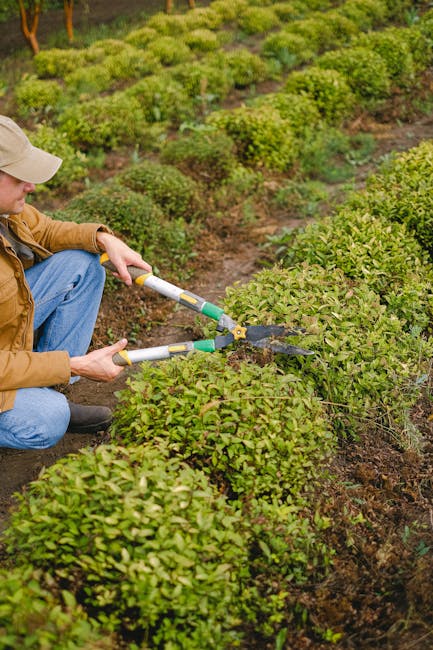
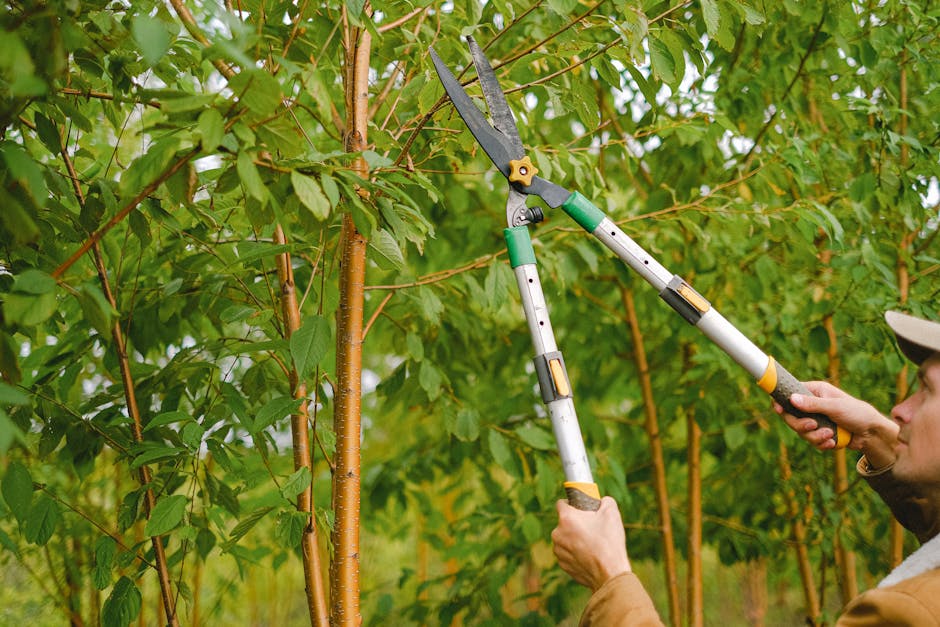
Pruning schedule for healthy flowering shrubs and trees
If you want better blooms, cleaner structure, and plants that look cared for rather than constantly hacked back, a sensible pruning schedule makes all the difference. The trick is not simply when you cut, but what you cut, how much you remove, and which plant you are dealing with. Get that right and flowering shrubs and trees repay you with stronger growth, healthier branching, and a much better show next season.
Truth be told, pruning can feel a bit nervy at first. You stare at a shrub in late winter and wonder, "If I take this off, will I ruin the flowers?" Fair question. This guide breaks the process down in plain English so you can build a reliable routine, avoid the classic mistakes, and know when to leave the secateurs in the shed. We will also cover practical seasonal timing for UK gardens, simple decision rules, and where professional help may be worth considering, especially for larger shrubs or trees.
Key takeaway: the best pruning schedule is matched to the plant's flowering time and growth habit, not just the calendar. That one shift saves a lot of disappointment.
For broader garden care support, it can also help to explore garden maintenance services and, if the work involves mature specimens, tree surgery guidance from a qualified team.
Table of Contents
- Why Pruning schedule for healthy flowering shrubs and trees Matters
- How Pruning schedule for healthy flowering shrubs and trees Works
- Key Benefits and Practical Advantages
- Who This Is For and When It Makes Sense
- Step-by-Step Guidance
- Expert Tips for Better Results
- Common Mistakes to Avoid
- Tools, Resources and Recommendations
- Law, Compliance, Standards, or Best Practice
- Options, Methods, or Comparison Table
- Case Study or Real-World Example
- Practical Checklist
- Conclusion
- Frequently Asked Questions
Why Pruning schedule for healthy flowering shrubs and trees Matters
Good pruning is about plant health first, appearance second, and flowers right up there too. A well-timed cut can encourage fresh shoots, improve airflow, reduce disease pressure, and keep a shrub from becoming a tangled, woody thicket. On flowering shrubs and trees, timing matters even more because the buds you remove today may be the flowers you were hoping to see tomorrow.
Here is the basic reason schedules matter: plants do not all flower on the same year's growth. Some bloom on old wood - growth made last season or earlier. Others bloom on new wood - growth made in the current season. If you prune an old-wood bloomer at the wrong time, you can cut away the entire display. Not ideal. New-wood bloomers are more forgiving, but they still need a rhythm that matches their growth cycle.
In a British garden, weather adds another layer. Late frosts, wet winters, and soft spring growth can all influence the safest pruning window. A shrub that looks ready in February may be better left until a touch later, once frost risk has eased. That's especially true in exposed gardens or where wind dries out young shoots quickly. If you are already thinking about strengthening the rest of the plot, the ideas in winter-resilient garden planning can fit neatly alongside a pruning routine.
There is also a practical side many people overlook: neat, well-managed shrubs are easier to inspect for pests, dead wood, and crossing stems. That can save time later, and honestly, it makes the garden feel calmer. Less chaos. More shape.
How Pruning schedule for healthy flowering shrubs and trees Works
A pruning schedule works by aligning each plant's cut-back cycle with the point in the year when pruning will cause the least stress and the least loss of flower buds. The rule is simple enough once you know the plant type:
- Spring-flowering shrubs and trees usually bloom on last year's growth, so prune them just after flowering.
- Summer-flowering shrubs and trees often bloom on new growth, so prune them in late winter or early spring before active growth starts.
- Dead, diseased, or damaged growth can usually be removed at any time, provided you use clean tools and make sensible cuts.
This does not mean every plant is identical. Some shrubs respond best to light annual shaping; others need a less frequent renewal prune. A flowering tree, meanwhile, may require a more conservative approach, especially if it is mature or part of a structural landscape feature. In that case, the aim is often to balance health, shape, and clearance rather than to reduce size dramatically. If the canopy is large or a branch could fall onto a path or fence, a specialist service may be the safer route. A visit from a skilled team can sit alongside other outdoor improvements such as landscaping support or fencing work if you are reshaping the wider garden.
The schedule also changes with plant age. Young shrubs benefit from formative pruning to build a strong framework. Established flowering plants need maintenance pruning to keep them productive. Neglected older shrubs sometimes need renovation pruning, which is a bigger intervention and should be done carefully, often over more than one season. That part matters. Rushing a hard cut on an overgrown shrub can shock it badly, and then you are left waiting another year for recovery.
Key Benefits and Practical Advantages
Once the right schedule is in place, the benefits are pretty obvious, even to someone who is not obsessed with gardening minutiae.
- More flowers because buds are preserved or fresh flowering shoots are encouraged.
- Healthier growth thanks to improved light penetration and airflow.
- Better shape and structure so shrubs and trees look deliberate, not overrun.
- Lower disease risk because congested, dead, or rubbing stems are removed.
- Less breakage in wind when weak or crossing growth is reduced.
- Longer plant life from less stress and better energy balance.
- Easier garden management because beds stay tidier and paths clearer.
There is also a quiet mental benefit. A pruned shrub with clear branching and fresh buds just looks more alive. You can stand back on a damp March morning, tea in hand, and see the shape returning. It sounds minor, but gardeners know that feeling.
For people trying to create a lower-maintenance outdoor space, pruning is one of the smartest investments of time. It reduces future work. And if you are building a broader care plan, the advice in low-maintenance garden ideas pairs neatly with seasonal pruning habits.
Who This Is For and When It Makes Sense
This schedule is useful for anyone with flowering shrubs or trees, but it is especially helpful if you are:
- a homeowner wanting better blooms without damaging plants
- a landlord or property manager keeping outdoor spaces presentable
- a new gardener learning what to prune and when
- a keen grower managing mixed borders, hedges, and ornamental trees
- someone with a larger garden where yearly maintenance is piling up
It makes sense when the plant is flowering poorly, getting too leggy, or blocking paths and windows. It also makes sense when you have just moved into a property and need to get the garden back under control. In those cases, a wider refresh can help, and the ideas from beginning a garden makeover can be a useful companion read.
If you have pets or children using the space, the practical side matters even more. Overgrown shrubs create hidden corners, messy twig drop, and awkward access points. A tidy schedule keeps the garden safer and easier to enjoy. It is not glamorous work, but it is the sort of work that quietly improves daily life.
Step-by-Step Guidance
Here is a straightforward way to build your pruning routine without overthinking it.
- Identify the plant
Before you touch anything, work out whether it flowers in spring or summer, and whether it blooms on old or new wood. If you are not sure, observe the plant through a season or check a trusted plant label or nursery note. Many problems begin with misidentification. - Inspect the plant structure
Look for dead stems, weak growth, crossing branches, congested centres, and shoots pointing in awkward directions. Stand back first. It sounds basic, but the best pruning decisions are easier from a little distance. - Remove dead, diseased, or damaged wood
Take this out first. Make clean cuts back to healthy tissue or a suitable branch junction. If you find obvious disease, do not compost infected material unless you know it is safe to do so. - Make the main seasonal cut
For spring-flowering shrubs, prune just after blooming. For summer-flowering types, prune in late winter or early spring. Keep the cut sensible. Many shrubs only need light thinning and shortening, not a full haircut. - Shape with restraint
Shorten long shoots to an outward-facing bud when appropriate. Open the centre slightly if the plant is too dense. Avoid leaving stubs; they die back and look messy. - Step back and check balance
This is the bit people skip. Walk around the plant and look for symmetry, natural habit, and clearance. If the shape looks wrong, adjust a little, not a lot. - Clean up and monitor
Clear away debris, disinfect tools if needed, and check the plant over the next few weeks. New growth should emerge evenly. If the plant looks stressed, hold off on further cutting.
That sequence works for many shrubs and smaller ornamental trees. For heavier tree work, structural pruning, or anything near buildings, you may want a professional assessment. Larger cuts and awkward access are where DIY can turn from satisfying to slightly nerve-racking very quickly.
Expert Tips for Better Results
A few small habits make a noticeable difference.
- Prune on a dry day if possible. Wet conditions can spread disease more easily and make the work slippery.
- Use the plant's flowering habit as your guide. This matters more than a fixed date in the calendar.
- Thin, then shorten. Removing a few stems entirely is often better than simply trimming every tip by the same amount.
- Do not chase perfection. A shrub can have a natural outline and still look beautifully maintained.
- Renew gradually. If a plant is very old or tangled, reduce it over a couple of seasons rather than all at once.
- Watch for suckers and basal shoots. These can drain energy or spoil shape if left unchecked.
- Keep the tools sharp. Clean cuts heal better and look neater. Dull blades crush stems. Nobody wants that.
One useful habit is to tag plants as you learn them. A simple notebook entry after flowering season can save you next year. "White blossom by front path - pruned after April flowers," for example. Not fancy, but effective. And it means you are not trying to remember everything after a wet week in November.
If your garden includes climbers, borders, and layered planting, the timing of pruning should also work alongside other plant groups. For example, the approach to evergreen climbers in shaded spaces is different again, which is why a one-size-fits-all strategy rarely works.
Common Mistakes to Avoid
Most pruning errors are understandable. People are trying to help. But a few habits keep causing trouble.
- Pruning spring bloomers in winter and accidentally removing all the flower buds.
- Shearing everything into a ball when the plant would benefit from selective thinning.
- Cutting too hard too quickly on a neglected shrub, which can trigger stress and weak regrowth.
- Leaving ragged stubs that die back and invite disease.
- Ignoring dead wood because the plant "still looks okay."
- Pruning during severe frost or extreme heat, when recovery is harder.
- Using dirty tools between plants, which can move problems around the garden.
One subtle mistake is pruning purely for size reduction without considering the plant's natural form. A flowering tree, especially, often looks best when its architecture is respected. Cut with the structure in mind and you get a result that feels calm, not butchered. A bit blunt, but true.
Tools, Resources and Recommendations
You do not need a mountain of equipment. In fact, less is usually better, provided the tools are decent.
| Tool | Best use | Why it helps |
|---|---|---|
| Hand pruners | Small stems, deadheading, light shaping | Clean cuts on thinner growth |
| Loppers | Thicker stems and woody branches | More leverage for safer cutting |
| Pruning saw | Older branches and larger woody stems | Handles material secateurs cannot manage |
| Gloves | General protection | Helps with thorns, sap, and rough bark |
| Disinfectant or cleaning wipe | Tool hygiene between plants | Reduces spreading disease |
| Long-sleeved clothing | Thorny or dense shrubs | Simple protection from scratches |
If you are building your kit from scratch, the essential gardening tools checklist is a sensible place to start. For seasonal upkeep beyond pruning, regular gardening services may help keep the whole plot in steady condition.
There are also practical garden-care links worth keeping in mind. Dense beds sometimes need companion attention from lawn care or lawn mowing so the whole garden reads neatly after pruning. Small thing, big difference.
Law, Compliance, Standards, or Best Practice
For most home gardeners, pruning is a matter of horticultural best practice rather than formal regulation. Still, there are sensible standards to follow, especially when work affects shared boundaries, trees near paths, or overhanging growth.
In the UK, best practice generally means using appropriate personal protective equipment, working safely at height, respecting neighbouring property, and avoiding unnecessary damage to nesting birds or wildlife. If a tree is protected or if work could affect a boundary dispute, it is wise to pause and check the situation before starting. The exact rules can vary, so caution is the sensible route here.
From a safety point of view, large branches, ladders, and power tools are the main risks. That is why mature tree work is often better handled by trained professionals rather than improvised at home. A proper risk-aware approach is part of responsible garden care, not overkill. If in doubt, look at the provider's insurance and safety information and their health and safety policy. Clear policies are a good sign.
For service expectations, transparency around pricing and quotes, terms and conditions, and payment and security matters too. It keeps everyone on the same page. And frankly, that is just good business.
Options, Methods, or Comparison Table
Not every flowering shrub or tree should be treated the same way. This simple comparison helps you decide what kind of pruning approach is most suitable.
| Plant type | Typical pruning window | Best method | Main caution |
|---|---|---|---|
| Spring-flowering shrub | Immediately after flowering | Light thinning and shaping | Do not prune heavily in winter |
| Summer-flowering shrub | Late winter to early spring | More assertive cutback or formative pruning | Check frost timing |
| Young ornamental tree | Late winter or after flowering depending on type | Formative pruning | Avoid over-cutting the main structure |
| Mature flowering tree | Selective pruning when dormant or just after bloom, depending on species | Careful crown thinning and deadwood removal | Large limbs may need professional input |
| Neglected overgrown shrub | Usually over two seasons | Gradual renovation pruning | Do not remove everything in one go |
If your garden includes hedges as well as flowering plants, their schedule can differ again. The article on hedge trimming techniques and shapes is helpful because it shows how clipped planting is a separate discipline from flowering-shrub pruning. Different jobs, different timing.
Case Study or Real-World Example
A typical example: a small front garden in the UK with a mixed border, one spring-flowering viburnum, a summer-flowering rose shrub, and a young ornamental tree near the path. The owner had been pruning everything in February because it felt tidy and efficient. The result? Good structure on the rose, yes, but very few flowers on the viburnum that spring.
After adjusting the schedule, the routine changed:
- the viburnum was pruned just after flowering in late spring
- the rose shrub was cut back in late winter
- the tree had deadwood removed and a light shape correction only
- all cuts were made with clean, sharp tools
By the following season, the flowering was fuller, the shrubs looked less congested, and the front path felt more open. Nothing dramatic, just better managed. That is usually how good pruning works in real life: not as a magic trick, but as steady improvement.
Interestingly, the owner also found they spent less time dealing with leaf litter and awkward shoots around the path. So the pruning schedule solved more than one problem. Nice when that happens.
Practical Checklist
Use this checklist before you prune:
- Have I identified whether the plant flowers on old wood or new wood?
- Is this the right season for this specific shrub or tree?
- Do I have sharp, clean tools ready?
- Am I removing dead, diseased, or damaged wood first?
- Will my cuts improve shape without removing too much?
- Is there any sign of nesting wildlife, frost risk, or storm damage to consider?
- Do I need a second opinion for a large branch or mature tree?
- Have I planned to tidy up the cuttings afterwards?
- Will I check the plant again in a few weeks?
Quick summary: if you can answer those questions confidently, you are probably ready to prune. If not, pause and reassess. No shame in that at all.
Conclusion
A smart pruning schedule for healthy flowering shrubs and trees is one of the simplest ways to protect blooms, improve plant health, and keep your garden looking intentional. Once you learn the difference between old-wood and new-wood flowering plants, the whole process becomes far less mysterious. You will still need to watch the weather, use judgement, and keep your cuts restrained, but that is part of the craft.
For most gardens, the winning formula is steady observation, seasonal timing, and a little restraint. Not every plant wants a hard cut. Some need a gentle nudge. Others need a longer recovery. And a few, to be fair, need professional handling because they are simply too big or awkward for safe DIY work.
If you are planning broader garden improvement alongside pruning, it can be worthwhile to review about us to understand the team behind the work, or browse ongoing maintenance support if you want a more hands-off approach. A well-kept garden rarely happens by accident.
Get a free quote today and see how much you can save.
And if nothing else, remember this: prune with patience, not panic. The garden usually rewards that.
Frequently Asked Questions
When is the best time to prune flowering shrubs in the UK?
It depends on when they flower. Spring-flowering shrubs are usually pruned just after blooming, while summer-flowering shrubs are commonly pruned in late winter or early spring before new growth starts.
Can I prune flowering trees at any time of year?
Not usually. Light deadwood removal can be done when needed, but timing the main prune around the species' flowering habit is safer. Large or mature trees often need a more cautious schedule.
What happens if I prune a spring-flowering shrub in winter?
You may remove the flower buds that were formed the previous season, which can mean very few blooms that year. The shrub may still survive perfectly well, but the display will suffer.
How hard can I cut back a flowering shrub?
That depends on the plant's age, species, and health. Some can tolerate stronger renovation pruning, but many flowering shrubs do better with light annual thinning and selective shortening rather than a severe cut.
Should I prune before or after frost?
For many shrubs, it is better to avoid major pruning during hard frost. Waiting for milder conditions reduces stress and helps cut surfaces heal more reliably.
Do I need different tools for shrubs and trees?
Yes, usually. Hand pruners work for smaller stems, loppers help with thicker growth, and pruning saws are better for larger branches. Clean, sharp tools are more important than having lots of fancy kit.
Is deadheading the same as pruning?
Not quite. Deadheading removes spent flowers, while pruning reshapes or reduces the plant and improves structure. The two overlap, but they are not identical jobs.
Can pruning help a neglected shrub flower again?
Often yes, but recovery may take time. A neglected shrub may need gradual renovation over more than one season rather than a single hard cut. Patience matters here.
What are the biggest signs I have pruned too much?
Excessive bare stems, weak shoots, sparse regrowth, and a very unbalanced shape are common signs. If in doubt, step back and leave a bit more growth than you think you need.
When should I call a professional for pruning?
If the plant is very large, near a building, difficult to access, storm-damaged, or part of a mature tree structure, professional help is usually the safer choice. The same is true if you are unsure about safety or legal considerations.
Does pruning improve flowering every year?
It usually helps, but flowering also depends on plant age, weather, soil condition, and overall health. Pruning is a major factor, though not the only one.
Can I combine pruning with other garden maintenance jobs?
Absolutely. Many people combine pruning with general tidy-up work, lawn care, hedge shaping, and seasonal clearance. Keeping the garden in step tends to give the best overall result.
How do I know whether a shrub flowers on old wood or new wood?
The safest route is to identify the species and check reliable planting information or observation from previous seasons. If the shrub blooms early in the year on growth made last season, it is likely an old-wood bloomer. If it flowers later on fresh growth, it is often a new-wood bloomer.
Is pruning different for ornamental shrubs and trees than for hedges?
Yes. Hedges are usually clipped for shape and density, while flowering shrubs and trees need timing that protects buds and supports natural form. Hedges and flowering plants often live side by side, but the care approach is not the same.